
Published April 28, 2026
Mortgage Rates Explained: What Buyers and Sellers Need to Know in 2026

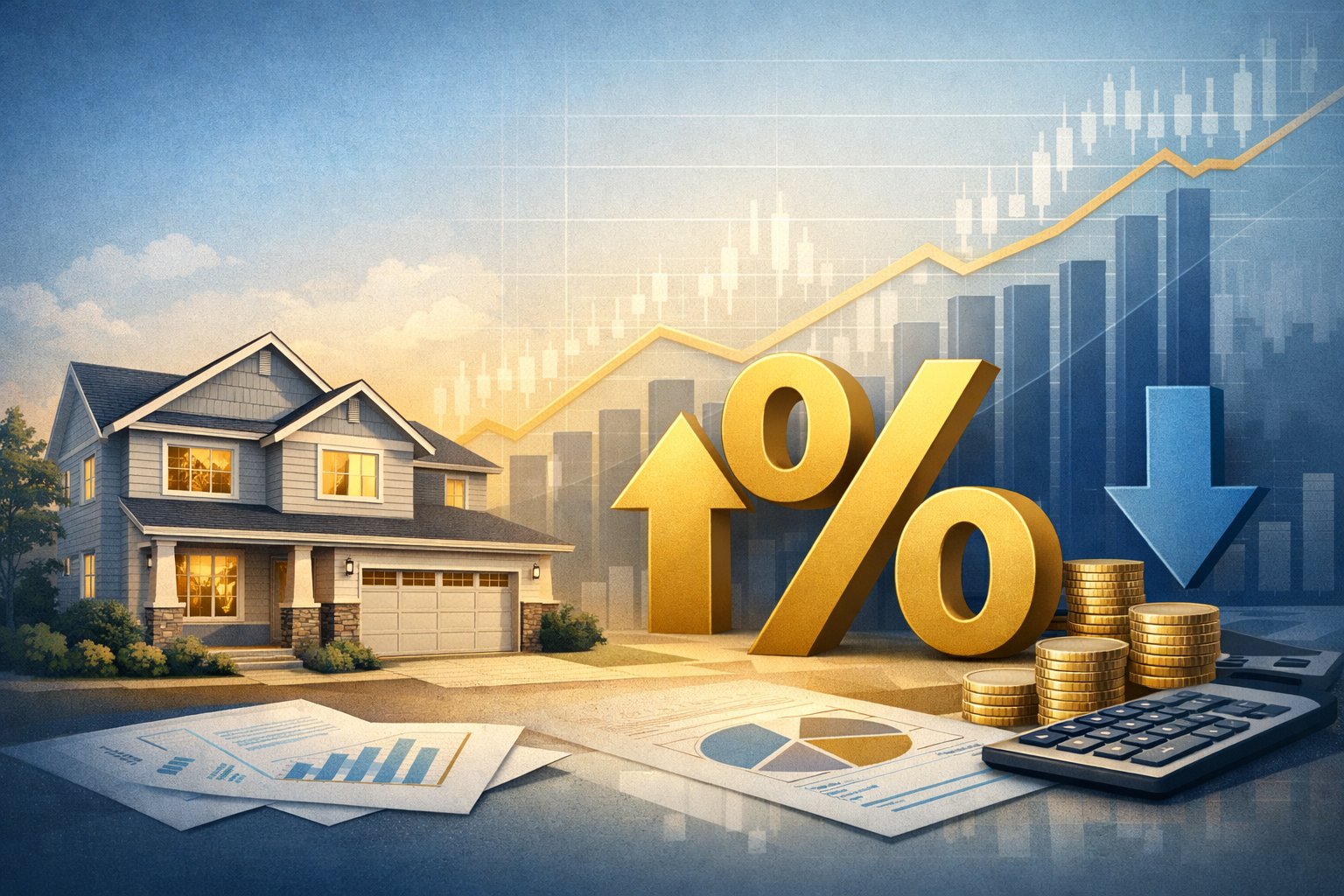
Mortgage rates are one of the biggest factors shaping the housing market, yet they are often misunderstood. When rates move, buyers, sellers, and homeowners all feel the impact in different ways. Understanding how mortgage rates work can help people make smarter decisions about timing, affordability, and long-term financial planning.
What Are Mortgage Rates?
A mortgage rate is the interest a borrower pays to finance a home purchase. The rate affects the monthly payment, the total cost of borrowing, and ultimately how much home a buyer can comfortably afford. Even a small change in rates can make a meaningful difference over the life of a loan.
Mortgage rates are influenced by many factors, including inflation, economic growth, bond markets, Federal Reserve policy, credit conditions, and individual borrower qualifications. While headlines often focus on national average rates, the actual rate available to a borrower depends on personal financial factors such as credit score, debt-to-income ratio, loan type, down payment, and property type.
Why Mortgage Rates Matter So Much
For buyers, mortgage rates directly affect purchasing power. As rates rise, the monthly payment on the same loan amount increases. That may reduce the price range a buyer can comfortably shop in or change the type of home they can consider. On the other hand, when rates fall, affordability tends to improve, giving buyers more flexibility in their search.
For sellers, mortgage rates influence buyer demand. Higher rates can reduce the number of active buyers in the market or cause buyers to be more selective. Lower rates often create stronger competition because more people can qualify for financing. Sellers who understand this relationship are better positioned to price their home strategically and set realistic expectations.
For current homeowners, mortgage rates may create opportunities to refinance, reduce monthly payments, shorten the loan term, or tap into equity depending on financial goals and market conditions.
How Rates Affect Monthly Payments
One of the clearest ways to understand mortgage rates is to look at monthly payment changes. A difference of even half a percentage point can raise or lower a payment significantly, especially at today’s home prices. Buyers who focus only on the purchase price may miss how much the interest rate shapes the true monthly cost of ownership.
That is why it is important to evaluate homes based not only on sale price, but also on the monthly payment, taxes, insurance, and overall budget. In many cases, the right home decision is not just about getting the lowest price. It is about finding the best balance between lifestyle, location, and payment comfort.
How Mortgage Rates Connect to Home Value
Mortgage rates do not just affect buyers. They also matter to homeowners who want to understand what their property may be worth in the current market. As rates rise or fall, buyer behavior changes, and that can influence demand, pricing pressure, and ultimately perceived home value in a neighborhood.
For homeowners thinking about selling, refinancing, or simply planning ahead, knowing their current home value is an important first step. A professional valuation conversation can provide useful insight, but a fast online estimate can also help homeowners start the process and better understand where they may stand in today’s market.
If you are curious about what your home may be worth, you can get a home value estimate here.
What Buyers Should Do in a Changing Rate Environment
When mortgage rates are moving, buyers benefit from staying prepared and flexible. Getting pre-approved early provides a realistic picture of budget and helps buyers act quickly when the right opportunity appears. It is also wise to compare loan options, ask about rate locks, and understand the tradeoffs between different loan structures.
Some buyers make the mistake of waiting indefinitely for rates to drop. While lower rates can improve affordability, home prices and competition may also change at the same time. In some markets, waiting for a lower rate can mean facing higher prices later. The better approach is usually to buy when the payment fits comfortably within the household budget and the timing aligns with personal goals.
What Sellers Should Keep in Mind
Sellers do not need a perfect rate environment to succeed, but they do need a smart strategy. In a higher-rate market, accurate pricing, strong presentation, and clear marketing become even more important. Buyers tend to scrutinize value more carefully when financing costs are elevated.
Sellers should also understand that many buyers are still active even when rates are higher. Life events such as job changes, family needs, downsizing, relocations, and investment decisions continue regardless of rate cycles. A well-positioned listing can still attract serious interest and achieve a strong result.
Will Mortgage Rates Go Down?
No one can predict mortgage rates with certainty. Rates respond to fast-moving economic data and broader financial market conditions. Rather than trying to perfectly time the market, buyers and sellers should focus on what they can control: financial readiness, pricing strategy, negotiation strength, and selecting the right professionals to guide the process.
If rates do fall after a purchase, refinancing may become an option. That is one reason many buyers use the phrase “marry the house, date the rate.” The home purchase may serve long-term needs, while the financing can potentially be adjusted later if market conditions improve.
The Bottom Line
Mortgage rates matter because they shape affordability, demand, and decision-making across the housing market. Whether someone is buying, selling, refinancing, or simply planning ahead, understanding how rates affect real estate choices can lead to better outcomes.
The most important move is not chasing headlines. It is building a clear plan based on budget, goals, and timing. When clients understand their options and make decisions with confidence, they are in a much stronger position no matter where rates go next.